


07 May Why exercise is important for Lymphatic drainage after Cancer?
Physical activity is defined as any bodily movement produced by skeletal muscles that results in energy expenditure. Exercise is an important part of a cancer treatment plan. A growing amount of research shows that regular exercise can greatly improve physical and mental health during every phase of treatment. Even if you were not active before your cancer diagnosis, an exercise program can help you get moving safely and successfully.
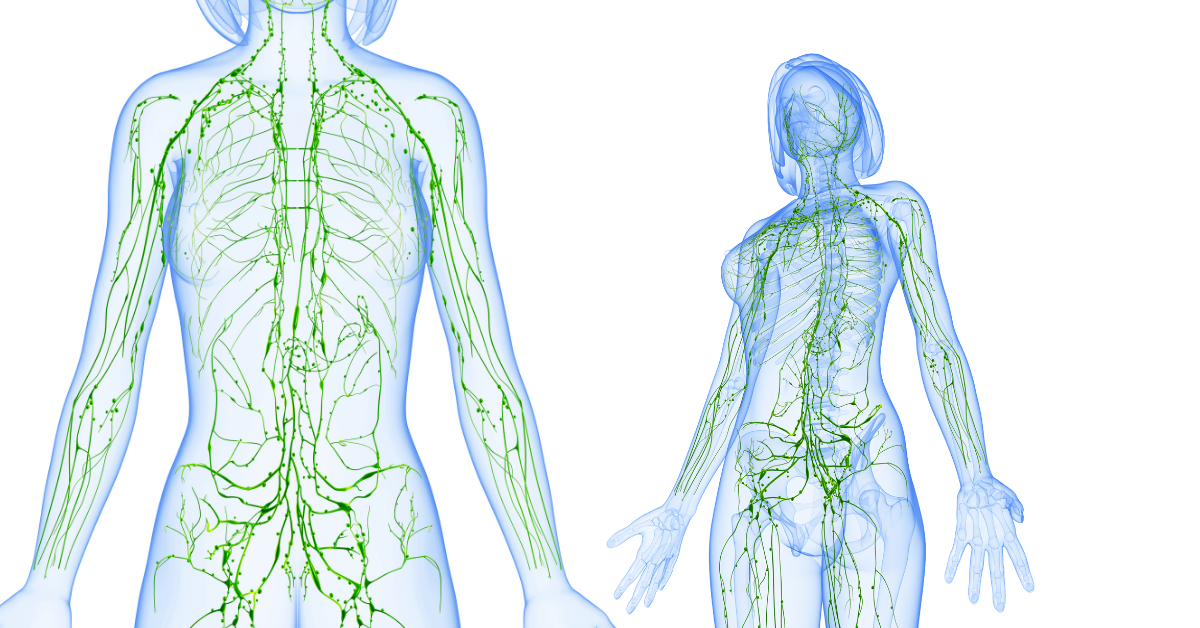
The lymphatic system is made up of tiny tubes called lymphatic vessels, which collect lymph fluid. These vessels route the fluid through the lymph nodes, which house immune cells that kill off abnormal cells and other harmful substances. The lymph fluid then drains back into the blood stream, which flows through the kidneys where waste is removed and passed out in your urine. “Sluggishness” in the lymphatic pathways can affect your ability to concentrate and make you feel vague and ‘foggy headed’, disorientated and tired, and experience a feeling of ‘unwellness’ without knowing why.
The Lymphatic System does not have a pump like our Circulatory System does (where the heart creates a beat which helps push and pump the blood around our body). Instead, the Lymph System requires daily movement of the body (especially our muscular system), and proper breathing, to move lymph through the lymphatic vessels to pass it through the filters in our lymph nodes.
Exercise is critical to keeping your lymph system open and flowing. When your muscles are moving this also helps move and pump the lymph within its vessels. Flexibility improves the lymphatic function by preserving the range of motion and reducing fibrous adhesions due to surgery or radiation. Cardiopulmonary exercises such as walking, cycling, and swimming are also great ways for circulation as well as resistance or weight-lifting programs are important in lymphatic drainage and decrease the signs and symptoms of lymphedema.
Resistance training should be prescribed according to current fitness level of the participant and should be started with a low level of intensity and the increase of intensity should be progressive. This kind of training can be safely performed two to three times a week of non-consecutive days.
Upper extremities lymphedema is a long-term complication of axillary lymph node dissection or a biopsy. The degree of lymphedema depends on the number of lymph nodes removed and the extent of radiation treatment to the axillary region.
Lower Limb Lymphedema is the most frequent expression of lower body lymphedema and is generally observed in patients treated for gynaecologic malignancy or prostate cancer.
Wearing a compression sleeve or stocking when you exercise is important and will help to control the swelling more effectively, because the firm support offered by the compression garment assists the muscles to pump more efficiently. However, it is not as necessary to wear garments when swimming, as the water provides the same sort of support as garments. Water also provides resistance to movement which makes the muscles work harder – so swimming/exercise in water is especially good for people with lymphoedema. Some people also choose to wear their garments in the water (especially during hot weather) – this will help to enhance the effects of the exercise.
Summarizing, lymphedema is a collection of lymphatic fluid that commonly results from the removal of lymph nodes during the surgical treatment of cancer. Exercise is a functional preventive and therapeutic strategy to manage lymphedema because it increases lymphatic fluid flow from the swollen areas.