


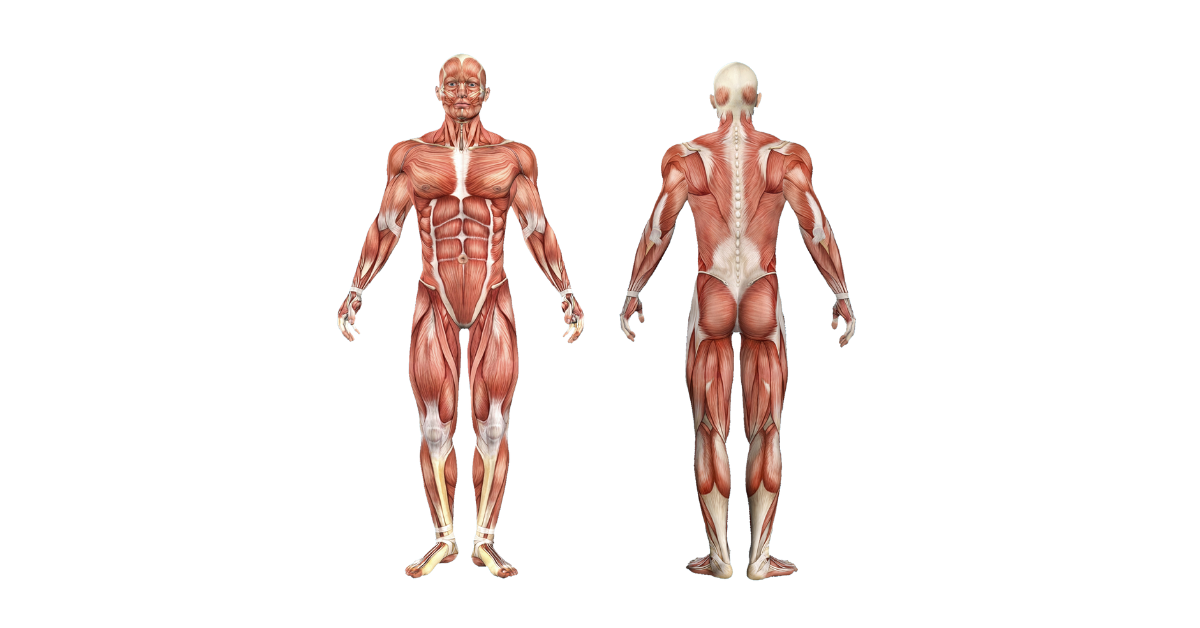
07 May What is the most important muscle group in the body?
It is a difficult question to answer. How would you define importance regarding muscles of the body? Would you rank it according to their strength, size or aesthetic (the ones that make you look good)? The larger muscle groups in the body are the gluteals and the quadriceps. The stronger muscles in the body include the quads, glutes or masseater (jaw muscles); though this is dependent on how you define strength. Let us look at it from a functional standpoint. Which muscle, should we completely remove it from the body, be most detrimental to that person? I would say the gluteal muscle group. The buttock muscles!
Comprised of the gluteus maximus and too often forgotten glute minimus and medius, the glutes play a role in moving the hips in many directions, and they provide stability to the lower back, hips and knees. This underrated group of muscles has earned its title as one of the “global stabilizers” of the body. These muscles are crucial in most major movements. This includes running, walking (flat surface and stairs), squatting, lunging, jumping, rock climbing, swimming… The list goes on.
If left untreated, conditions in the lower back and hips can result in ailments in the knee and/or ankle. Dysfunction in the gluteal region can lead to common musculoskeletal injuries such as lower back pain, hamstring strains, trochanteric bursitis, ITB syndrome or patella femoral pain involving the knee (Canino & Cohen, 2014). Notice how weak or improperly functioning glutes (muscles found in the hip region) has such a great effect on joints elsewhere in the body? This speaks to the “global stabiliser” title badge mentioned earlier! Biomechanically, if your back and hips are unstable, the knees and ankles subsequent to this will not be able to function optimally, therefore predisposing you to injury.
The multi-functional purpose of this muscle group allows it to be a powerful mover of the femur (upper leg bone) whilst also a stabiliser. The glute max is in charge of those bigger movements whereas the smaller gluteus minimus and medius need to be fired up and activated in order to make those bigger movements smooth and controlled; super important to prevent injury. Thankfully, there are no shortage of glute exercises! Yes, squats, deadlifts, leg presses all involve the glute muscles. However, starting off with smaller, body weight orientated exercises will facilitate the activation of those stabilisers. Try some of these exercises for three sets of fifteen to twenty reps to fire up the glutes before going into bigger movements in your workout: glute bridges, banded abductions (lying or standing), monster/crab walks, side planks and clams.
What is the most important muscle group in the body? Well, it depends on who you ask and how they define importance. Among the general population we find various types of people requiring different outputs from the body. That being said, the glutes is a common denominator, a powerhouse in the body, and should not be neglected in your exercise program!
References
Canino, M., & Cohen, B. (2014). Importance of Glute Training: Walk, hike, jog, run.